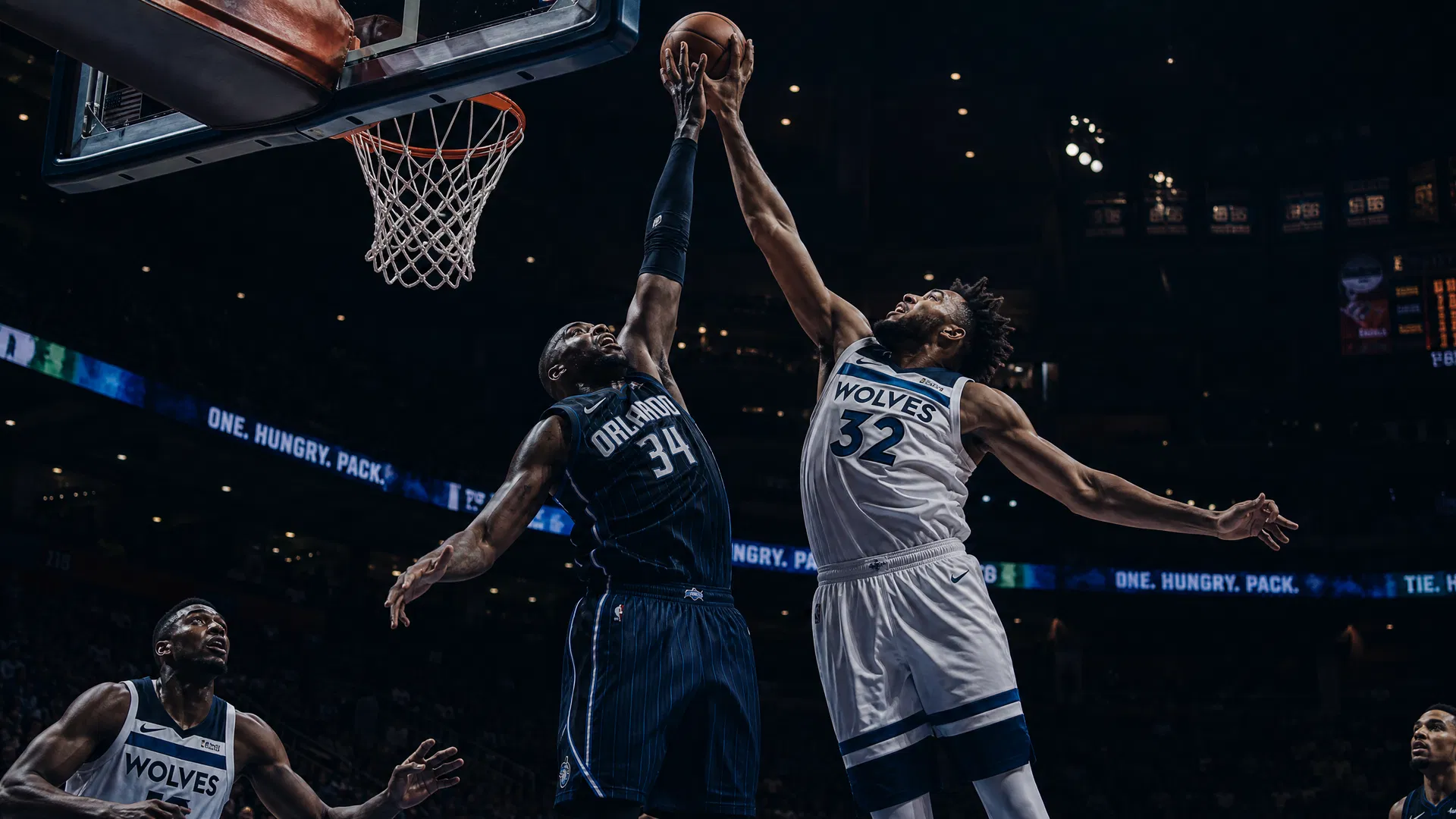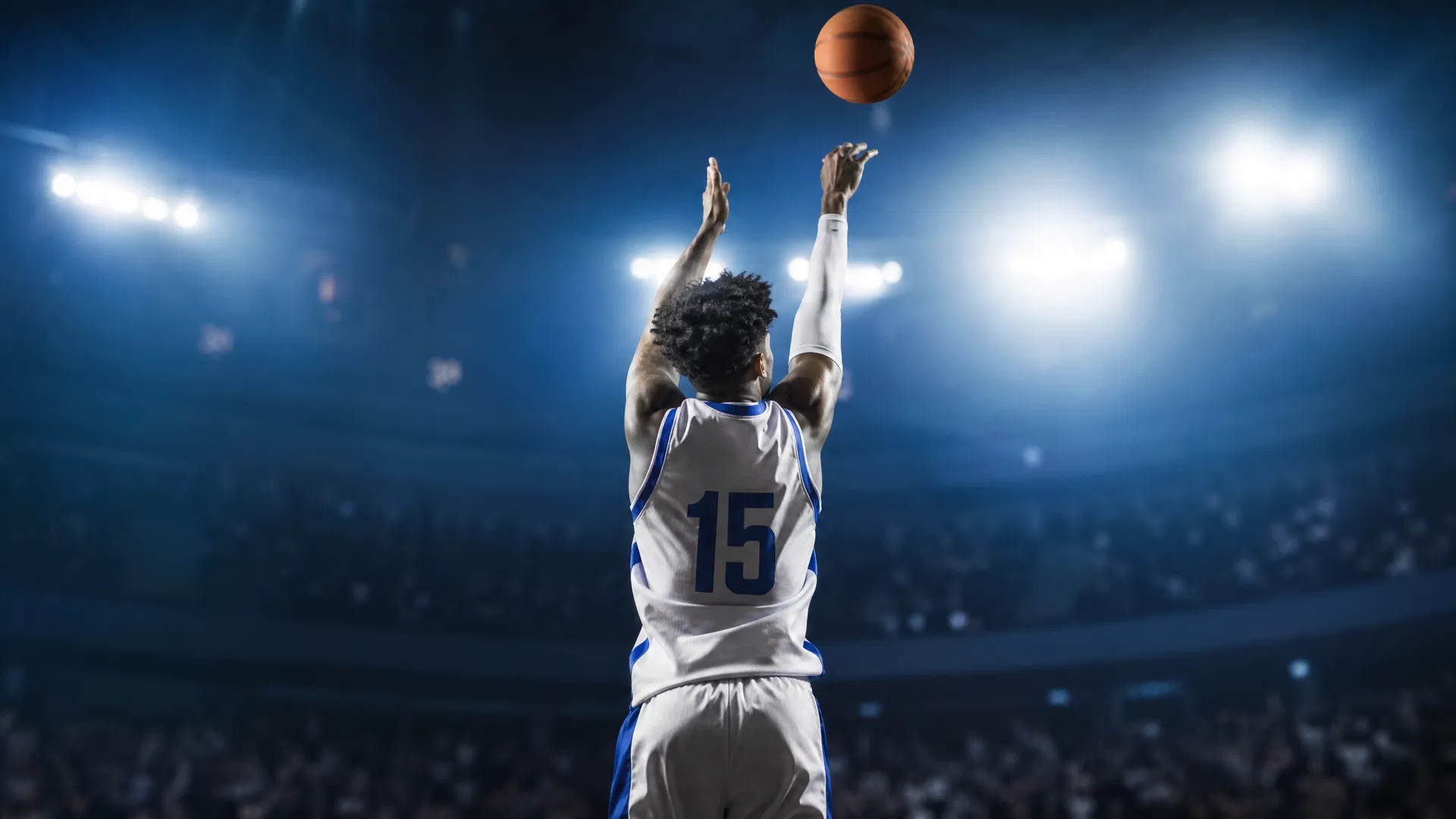
The game is played above the rim.
Not literally — most players never get there. But the game is decided by who gets closest, who gets there most often, and who gets there when it matters. The contested rebound in the fourth quarter. The block that changes the momentum of a game. The pull-up jumper off a hard drive that requires a full explosive extension at the top of the arc. These are the moments basketball is made of.
They are also phosphocreatine events.
Basketball is a sport of repeated explosive efforts with incomplete recovery — sprints, jumps, cuts, and defensive slides separated by brief periods of lower-intensity movement. The phosphocreatine system contributes to those short, high-intensity actions, while training, conditioning, skill, sleep, and nutrition still determine what remains in the fourth quarter.
Across sport and resistance-training research, creatine is associated with improved high-intensity work capacity and training adaptation. That evidence supports its use in basketball preparation; it does not guarantee a higher jump or faster sprint in every player or every game.
But the dimension most basketball players miss is the cognitive one.
Basketball is a thinking sport. The read-and-react demands of defense and transition degrade under fatigue. In a controlled sleep-deprivation study, creatine supplementation improved selected cognitive and psychomotor measures. That was not a basketball trial, but it supports continued research on creatine and brain energy under demanding conditions.
CELL/T delivers five grams of micronized creatine monohydrate, one gram of sodium, 200 milligrams of potassium, 60 milligrams of magnesium, and two grams of taurine. The formula supports the daily creatine and hydration routine behind the work; it does not replace practice, conditioning, sleep, or game preparation.
The shot clock is at four. The defense is set.
You go up anyway.
References
- McMorris T, Harris RC, Swain J, et al. Effect of creatine supplementation and sleep deprivation, with mild exercise, on cognitive and psychomotor performance. Psychopharmacology. 2006;185(1):93-103. doi:10.1007/s00213-005-0269-z
- Kreider RB, Kalman DS, Antonio J, et al. International Society of Sports Nutrition position stand: safety and efficacy of creatine supplementation in exercise, sport, and medicine. J Int Soc Sports Nutr. 2017;14:18. doi:10.1186/s12970-017-0173-z