Above 14,000 feet, the rules of physiology change.
The air is thinner. The oxygen partial pressure is lower. The aerobic system — which powers everything at sea level — is working at reduced capacity. The heart beats faster to compensate. The breathing rate increases. The body is doing everything it can to deliver oxygen to tissues that are demanding more than the altitude can provide.
In this environment, the phosphocreatine system becomes more important, not less.
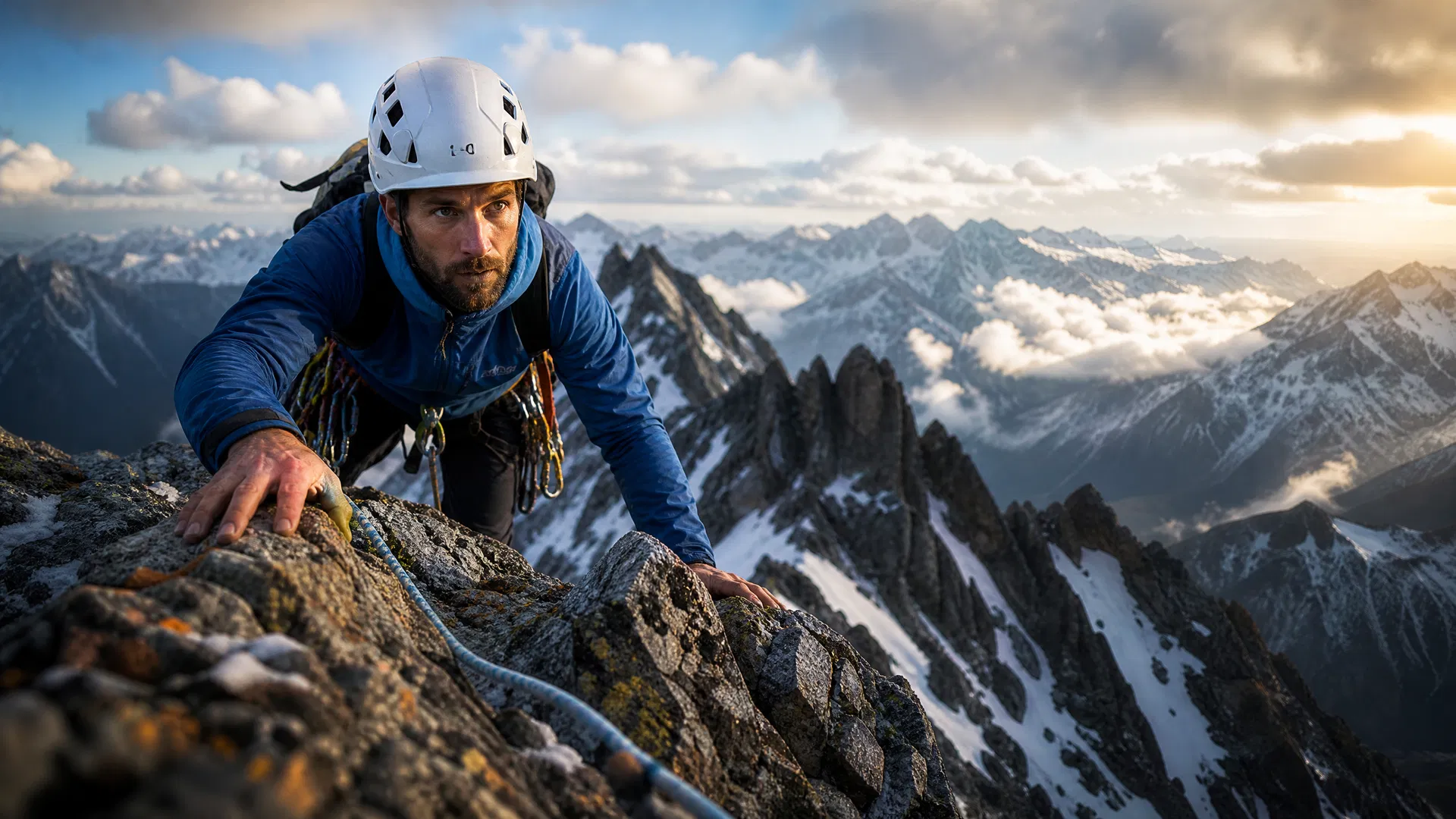
Technical moves on a high-altitude route draw on rapid energy systems, including phosphocreatine, while the aerobic and glycolytic systems continue contributing to the full effort.
Consistent creatine intake can raise muscle creatine stores. It cannot guarantee movement through a crux at altitude, where acclimatization, weather, technical judgment, fueling, hydration, and individual physiology are decisive.
There is also the cognitive dimension — and at altitude, it may be the most important one.
Altitude can impair cognition and judgment. Controlled studies have reported selected cognitive effects from creatine during oxygen deprivation or sleep deprivation, but those findings do not establish protection or safety at altitude. Conservative route choices, acclimatization, weather assessment, and descent decisions remain essential.
CELL/T delivers five grams of micronized creatine monohydrate with sodium, potassium, magnesium, and two grams of taurine. It supports a daily creatine and hydration routine; it is not an altitude treatment or a substitute for acclimatization.
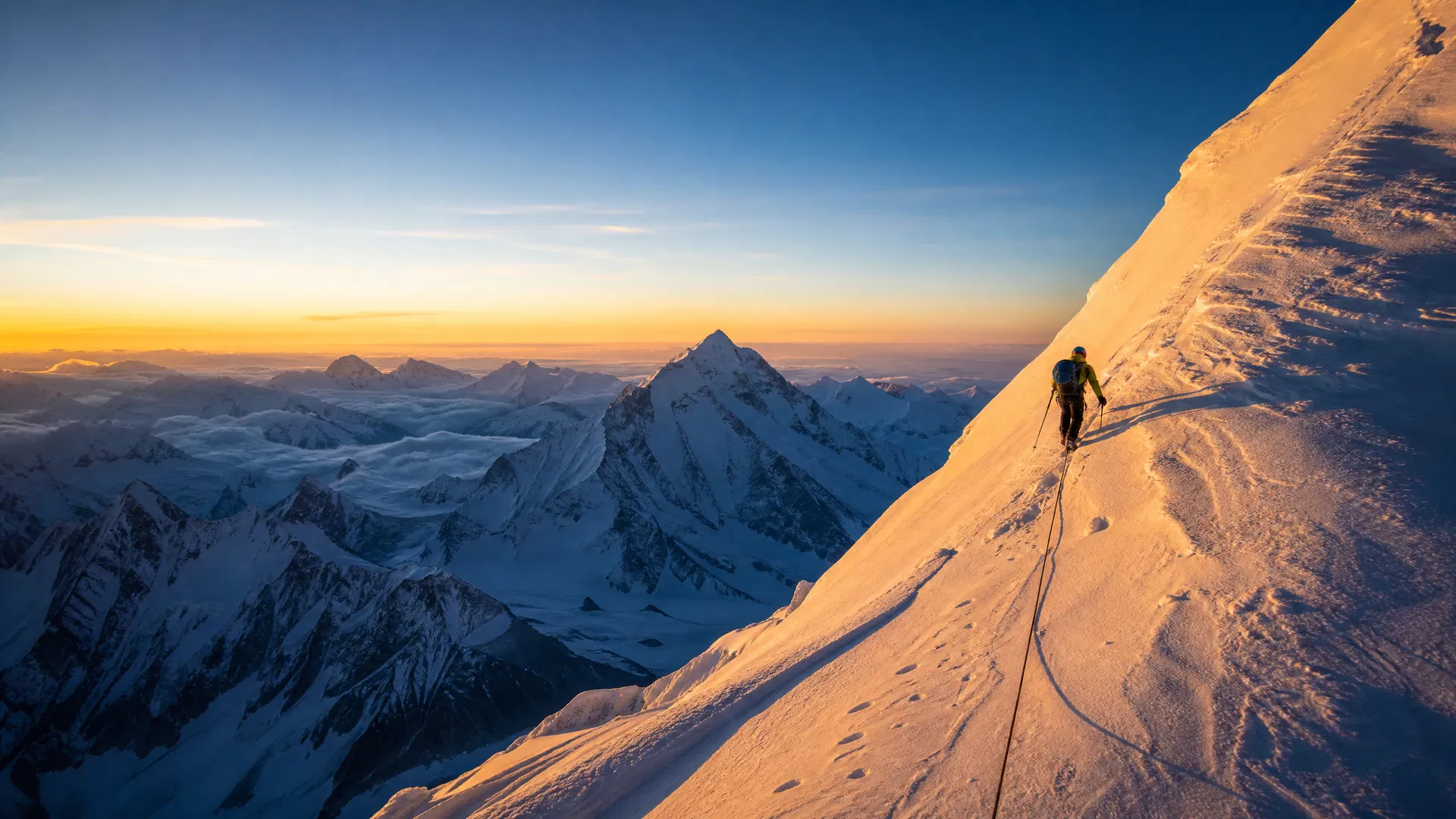
You are at 17,000 feet. The summit is four hundred meters above you.
The route is technical. The weather is moving.
You make the decision.
You keep moving.
References
- McMorris T, Harris RC, Swain J, et al. Effect of creatine supplementation and sleep deprivation, with mild exercise, on cognitive and psychomotor performance. Psychopharmacology. 2006;185(1):93-103. doi:10.1007/s00213-005-0269-z
- Turner CE, Byblow WD, Gant N. Creatine supplementation enhances corticomotor excitability and cognitive performance during oxygen deprivation. J Neurosci. 2015;35(4):1773-1780. doi:10.1523/JNEUROSCI.3113-14.2015
- Kreider RB, Kalman DS, Antonio J, et al. International Society of Sports Nutrition position stand: safety and efficacy of creatine supplementation. J Int Soc Sports Nutr. 2017;14:18. doi:10.1186/s12970-017-0173-z